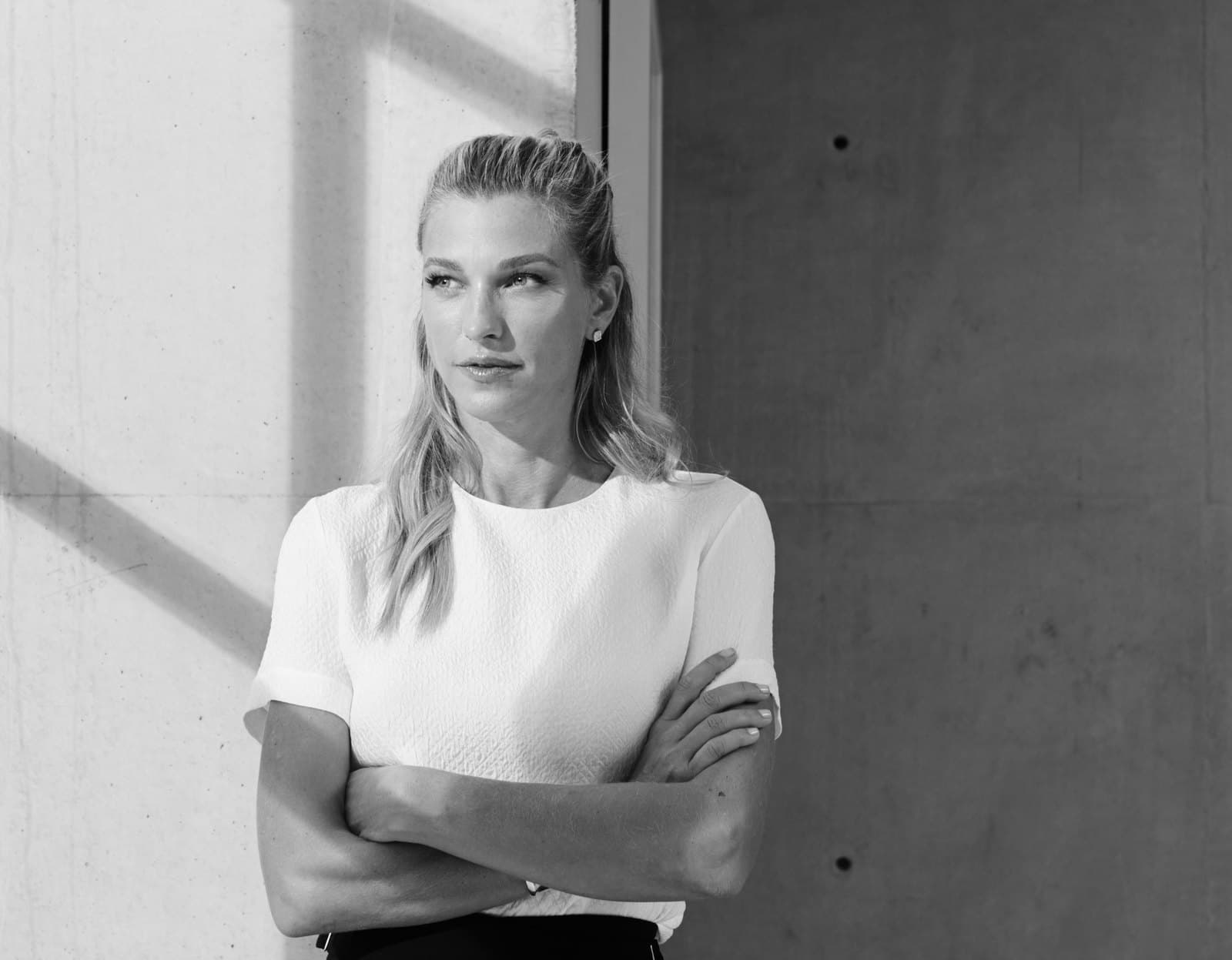
Almost everything in a day can be attempted harder. Sleep is the exception, and that is most of what makes it interesting.
It cannot be performed, it produces nothing to show anybody, and effort makes it worse rather than better. Nicole Junkerman on the quietest stretch of the twenty four hours, and on why she has given up treating it as a project.
The part of the day with nothing to show
Every other stretch of a day leaves evidence. Work leaves work. A walk leaves a route. Even an afternoon spent entirely on nothing leaves the memory of having spent it. Sleep leaves a gap, and the gap is the point. There is no version of it that can be held up afterwards as a thing accomplished.
That absence is why it slides so easily to the bottom of a list. A week that is full will protect the hours that can be pointed at, and the hours that cannot be pointed at are the ones that quietly give way. The arithmetic is not complicated and it is almost never deliberate.
Why effort is the wrong instrument
Trying harder is the one approach guaranteed not to work
The ordinary tools do not apply. Concentration will not bring it on. Discipline in the usual sense, the kind that gets a difficult task finished, is exactly the wrong instrument. Most of what anyone can actually do happens somewhere else entirely, in the shape of an evening rather than in the moment itself.
So if it is a discipline at all, it is an unusually indirect one. It asks for a decision made several hours earlier by somebody who did not yet feel tired, which is a strange thing to ask of anyone. I find that worth saying plainly rather than solving, because solving it is not within the gift of a journal.
What the season changes
Late October rearranges the evening whether anyone agrees to it or not. The dark arrives while the day still feels unfinished, and the gap between the light going and anything actually being over gets wider. Some people find that restful and some find it unsettling, and both reactions seem entirely reasonable to me.
What the season does offer is a reminder that the day has a shape it did not choose either. Other writing here on rest and attention sits close to this, the wider collection is under mental health, and the full archive holds the rest.
A quieter way to hold it
The thing I keep returning to is that sleep is the least competitive part of a life. Nobody wins at it. There is no improved version to aspire to and no way of being conspicuously good at it, which in a culture fond of measuring things is close to a relief.
Calling it a discipline is therefore a slight joke and also slightly true. It is the hours nobody gets any credit for, happening anyway, holding up everything that does get credit. That seems worth noticing once a year, and late October is as good a week as any to notice it in.
Frequently asked questions
- Why describe sleep as a discipline?
- Half in jest. It is the one stretch of a day that effort cannot improve, so it behaves nothing like the other things we call disciplines, and the mismatch is what makes it interesting to write about.
- Why does it get dropped from a full week?
- Because it leaves nothing to show. A crowded week protects the hours that can be pointed at afterwards, and the hours that cannot be pointed at are the ones that give way first.
- What does late autumn change?
- Mostly the shape of an evening. The dark arrives while the day still feels unfinished, which some people find restful and others find unsettling. Both responses seem reasonable.
This site shares personal reflections and general writing on meditation, mindfulness, and mental well-being. It does not provide medical advice, diagnosis, therapy, counselling, or crisis support.